

20 July 2026
Have you ever spent an hour in the gym only to leave feeling like you could have achieved more? Many people assume longer workouts automatically produce better results, but time alone doesn't determine progress.
A well-planned session with a clear objective can often deliver more value than an unstructured hour filled with distractions and unnecessary exercises. The key lies in how your workout is designed, not how long it lasts. If you're exploring personal training services available in Marina, you'll quickly discover that experienced coaches focus on quality, consistency, and purpose instead of simply extending gym time. A well-planned approach helps you train efficiently while fitting fitness into a busy lifestyle without sacrificing results.
Start Your Free Trial Session Today
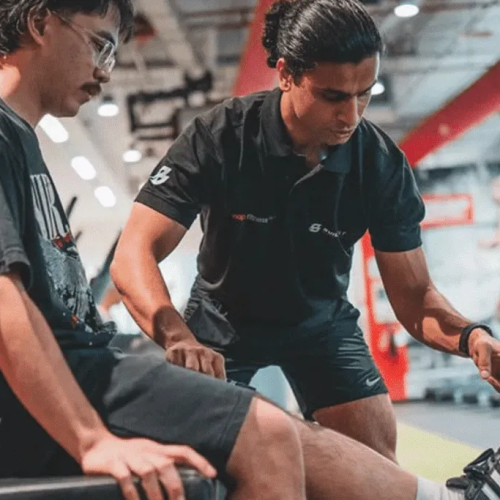
A structured workout follows a clear plan from start to finish. Every exercise has a purpose, every set contributes towards a goal, and rest periods are controlled rather than left to chance. Instead of wandering between machines or copying someone else's routine, you know exactly what you're trying to achieve before the session begins. This approach makes training more focused and easier to measure over time. People opting for personal training services in the Marina often benefit from programmes that are adjusted according to their goals, ability, and progress instead of relying on generic workout templates.
A structured workout usually includes:
When every element works together, even a shorter session becomes purposeful and productive.
Thirty minutes doesn't outperform an hour simply because it's shorter. It works because every minute has a weightage. When exercises are selected carefully, transitions are smooth, and rest periods are managed, your energy stays focused on productive work instead of unnecessary downtime. This approach also makes it easier to remain consistent, especially for people balancing work, family, and other commitments. Those considering personal training services offered in the Marina often discover that efficient programming delivers steady progress without demanding endless hours in the gym.
| Structured 30-Minute Workout | Unplanned 60-Minute Workout |
|---|---|
| Clear objective | No defined goal |
| Planned exercise sequence | Random exercise selection |
| Controlled rest periods | Frequent unnecessary breaks |
| Focused effort | Inconsistent intensity |
| Easier to repeat consistently | Harder to maintain regularly |
Many workouts become longer without becoming better. Small habits gradually eat into valuable training time, reducing both focus and momentum. Spending extra minutes between sets, changing exercises without a plan, or waiting for equipment can quickly turn an efficient session into an unproductive one. Rather than assuming more time equals more progress, it identifies where those minutes are disappearing.
Common time wasters include:
People joining personal training services offered across the Marina avoid these pitfalls because each session follows an organised plan, allowing them to stay engaged, finish on time, and make every workout count without unnecessary delays.
Professional coaches don't simply shorten workouts, they improve them. Before a session begins, they identify the client's goal, choose exercises that deliver the greatest benefit, and organise everything into an efficient sequence. They also monitor technique, adjust intensity, and keep rest periods appropriate so valuable time isn't wasted. This creates sessions that remain challenging without feeling rushed. Clients seeking personal training services based in the Marina often appreciate that every workout is designed around their schedule as well as their fitness objectives, making consistency much easier to maintain.
A trainer's planning process typically includes:
Instead of filling an hour for the sake of it, experienced coaches focus on purposeful programming that delivers measurable improvements while respecting the client's time.
Absolutely. Longer sessions still have an important place depending on your goals. Endurance athletes, advanced lifters, or individuals preparing for specific sporting events may require additional training volume that simply cannot fit into thirty minutes.
Some programmes also include extended mobility work, skill practice, or conditioning alongside strength training. The important point is that duration should match the objective rather than becoming the objective itself. If you're considering personal training services tailored for the Marina lifestyle, a qualified coach can determine how much training time genuinely suits your needs instead of following a common approach.
For many people, a focused half-hour completed consistently will deliver better long-term results than occasional marathon gym sessions. Success comes from following a plan you can realistically maintain week after week.
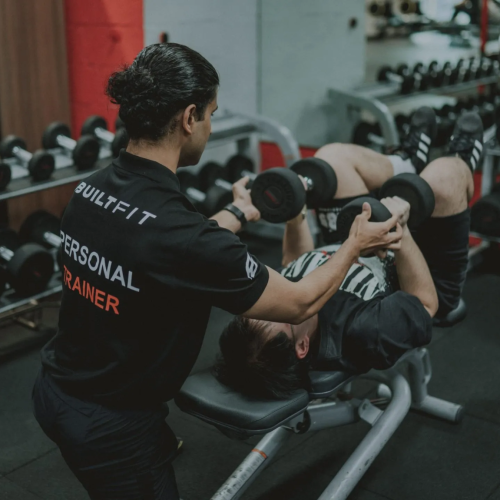
The best workouts aren't always the longest, they're the ones built around your goals, schedule, and ability. When every exercise serves a purpose, you can achieve meaningful progress without spending unnecessary hours in the gym.
At BuiltFit, our coaching philosophy focuses on efficient programming, measurable progress, and sustainable routines that fit your lifestyle. If you're looking for personal training services right in the Marina, our experienced trainers create personalised plans that help you make every minute count. Discover how carefully designed coaching can transform the way you train and support lasting results with BuiltFit.
Q1. Can I build muscle with 30-minute workouts if I train consistently?
Yes, provided your workouts are well planned and progressively challenging. Prioritising compound exercises, maintaining proper technique, and allowing adequate recovery can stimulate muscle growth effectively. Consistency over months matters far more than spending extra time in the gym.
Q2. How many 30-minute workouts should I aim for each week?
For most adults, three to five structured sessions each week provide a solid balance between training and recovery. Your ideal frequency depends on fitness level, goals, and lifestyle, so choose a schedule you can realistically maintain over the long term.
Q3. Are short workouts suitable for weight loss as well as strength training?
Absolutely. Short workouts can support both weight loss and strength development when matched with the right exercises, nutrition, and consistency. The key is following a focused programme that matches your objective instead of trying to achieve everything in one session.
Q4. Should I reduce my rest time to finish a workout in 30 minutes?
Not always. Rest periods should match the exercise and your training goal. Cutting recovery too much may reduce performance and compromise technique. Instead, improve efficiency by planning your session carefully and avoiding unnecessary distractions between exercises and sets.
Q5. What's the biggest mistake people make when trying to shorten their workouts?
The most common mistake is rushing through exercises without a clear plan. Skipping warm-ups, sacrificing technique, or randomly choosing movements often reduces workout quality. A shorter session should remain organised, purposeful, and aligned with your specific fitness goals.

