

07 September 2026
Walking into a gym for the first time can feel harder than the workout itself. You may not know which machines to use, how much weight to lift, or whether everyone will notice you're new.
The good news is that you do not need gym experience to begin personal training. A coach can meet you at your current level, explain the basics, and help you build skills without expecting prior knowledge. For someone looking for the best personal trainer for beginners in The Springs, the right starting point is not the heaviest weight or most advanced exercise. It is a clear plan that makes the unfamiliar feel manageable. With sensible progression and consistent practice, those first uncertain sessions can become the foundation for a routine that feels natural, purposeful and sustainable.
Start Your Free Trial Session Today
Being new to the gym is not a weakness; it simply means there is more to learn at your own pace. A good beginner programme should start with movements you can perform confidently, then build gradually as your coordination, strength and fitness develop over time.
You also do not need to arrive with a perfect routine. A trainer can help you understand what each exercise is for and how it fits into your wider goals and routine.
Before your first session, you do not need to:
For beginners seeking the best personal trainer to guide new clients in The Springs, the value lies in having someone help you progress in the gym through manageable steps from the beginning. Starting with appropriate resistance and learning breathing technique can make training more productive and easier to sustain.
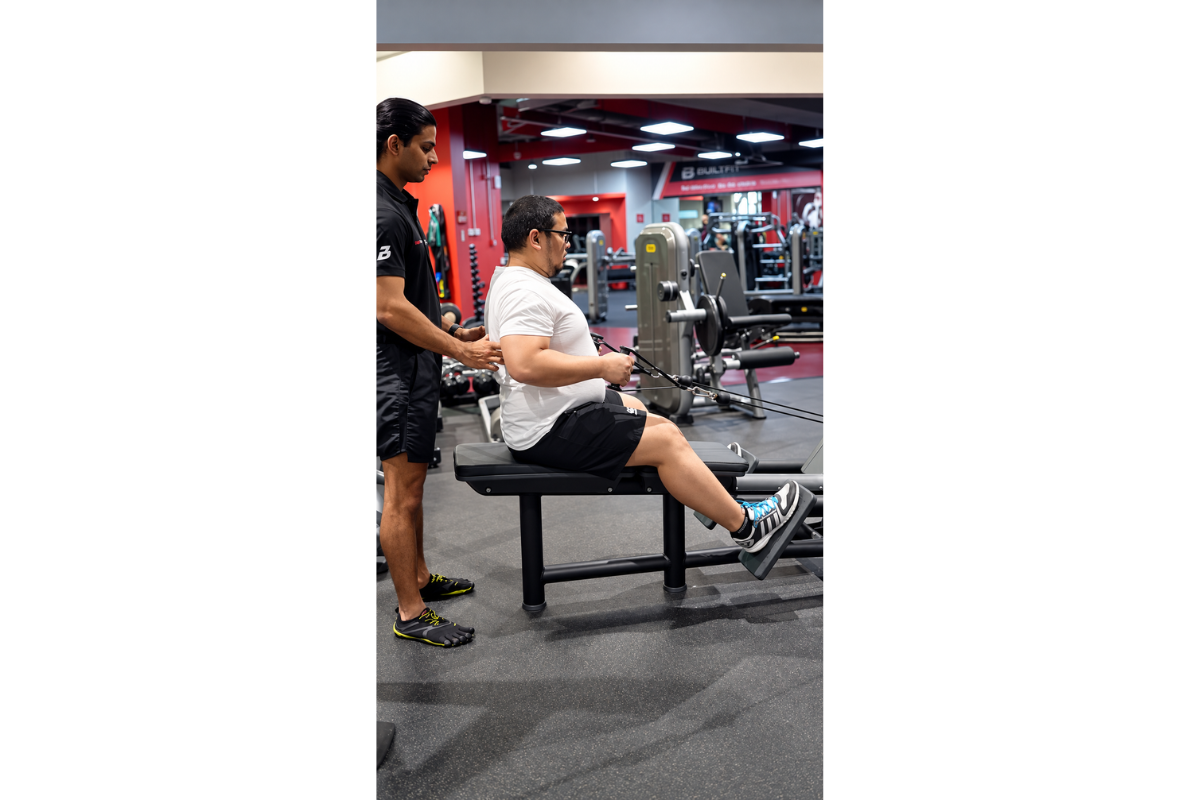
Your first few sessions should feel more like an introduction to training than a test of how fit you are physically. A sensible process gives you time to understand movements, ask questions, and settle into the routine.
1. Discuss your starting point. Your trainer can learn about your goals, current activity, experience and relevant limitations before planning the sessions.
2. Establish the basics. You may begin with simple movements that teach you how to squat, hinge, push, pull, brace and move with control.
3. Learn the equipment. Instead of guessing how a machine or piece of equipment works, you can be shown how to set it up and use it correctly.
4. Practise technique. The focus is on controlled movement rather than chasing heavy loads. Proper technique matters because poor weight-training form can increase the risk of strains and other injuries.
5. Build from there. Once the basics become familiar, your trainer can gradually adjust resistance, repetitions, or exercise difficulty. Beginners should start carefully and progress gradually over time.
For someone considering the best personal trainer providing structured fitness foundations across The Springs, the first sessions should leave you with a clearer understanding of how to train, rather than feeling thrown into the deep end today.
Training alone can work, but early stages can leave beginners guessing about exercise choice, technique and when to make a workout harder each week. Personal coaching adds another layer: someone can observe how you move, adjust the session, and keep the programme moving forward with purpose.
| Training on Your Own | With a Personal Trainer |
|---|---|
| You choose exercises yourself | Sessions are planned around your starting point |
| Equipment may feel unfamiliar | Equipment and setup can be explained |
| Technique is harder to assess | You receive real-time movement feedback |
| Progression can feel unclear | Resistance and difficulty can be adjusted |
| You track everything yourself | Training progress can be reviewed together |
A trainer can help you progress gradually as your body adapts. For those comparing the best personal trainer to support a sustainable fitness lifestyle in The Springs, the advantage is a structured process that evolves as your ability does. This can make each session purposeful while giving you a clearer sense of what comes next.
Confidence develops as unfamiliar things become familiar and you realise that you can handle more than you expected. Personal training can make that learning curve feel less overwhelming.
For people searching for the best personal trainer to help them build the right gym approach in The Springs, confidence should be part of the training outcome, not an afterthought. Over time, consistent practice can help you understand your routine well enough to feel less dependent on guesswork.
Personal training can be particularly useful if the gym feels unfamiliar, you are unsure how to structure workouts, or you would rather learn the fundamentals with individual guidance. It can also suit people returning to exercise after a long break.
Consider personal training if you want to:
If you're looking for the best personal trainer to master proper exercise fundamentals in The Springs, choose an approach that matches your current ability rather than one that expects you to arrive already experienced.
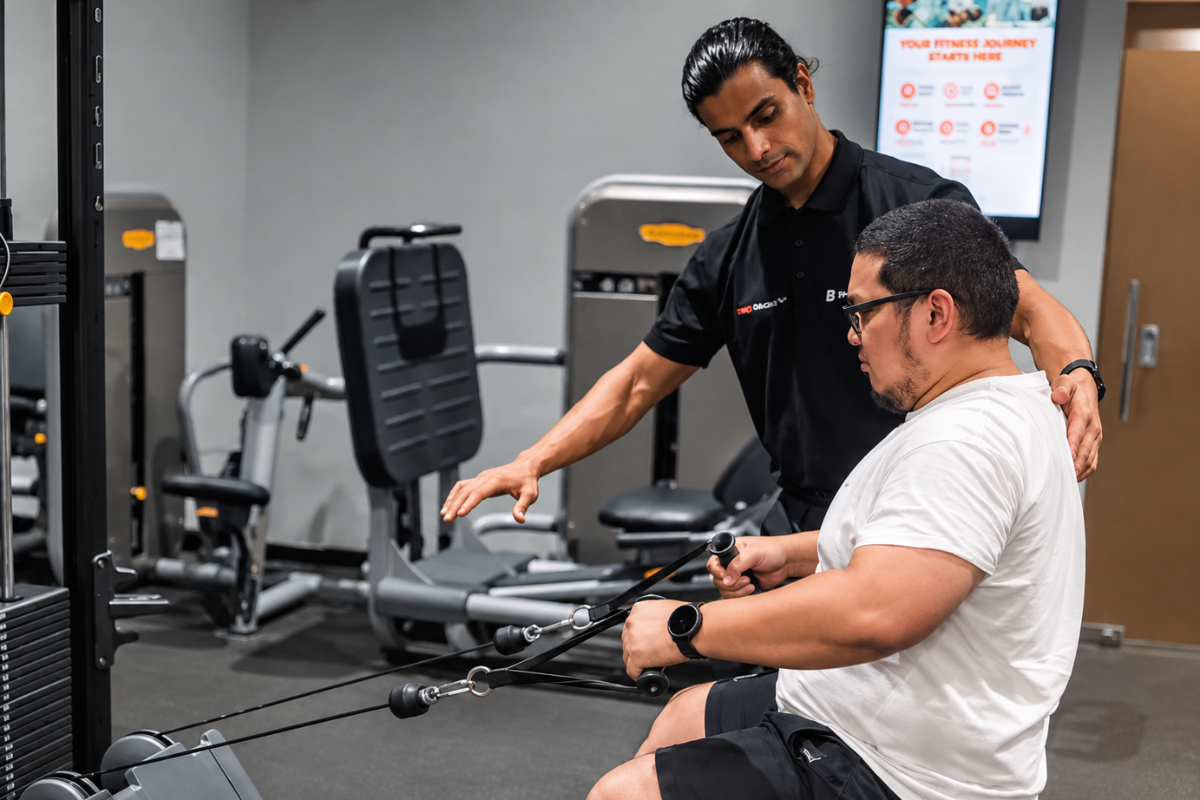
You don't need gym experience to begin; you simply need a sensible starting point. With the right instruction, gradual progression, and regular practice, unfamiliar exercises can become part of a routine you understand and enjoy. BuiltFit provides the structure and personal guidance to help you take that first step with greater clarity and confidence.
Q1. What should I wear to my first personal training session?
Choose comfortable, breathable clothing that allows you to move freely. You don't need specialist gymwear; prioritise comfort and clothing that won't restrict your movement during different exercises.
Q2. Can I start personal training if I am overweight or very unfit?
Yes. Personal training can be adapted to your current fitness level, regardless of where you're starting. A good programme begins with manageable exercises and gradually develops your strength, mobility, and stamina as your ability improves.
Q3. What if I cannot perform an exercise correctly during a session?
That's completely normal, especially when you're learning a new movement. Your trainer can demonstrate the exercise again, adjust your positioning, reduce the difficulty, or offer an alternative until you can perform it comfortably and with better control.
Q4. How soon should a beginner expect to increase weights or exercise difficulty?
There is no fixed timeline. Progression depends on your technique, recovery, fitness level, and how your body responds to training. Once an exercise becomes comfortable and controlled, your trainer can decide when increasing resistance or difficulty is appropriate.
Q5. Do I need to continue with a personal trainer once I become confident in the gym?
Not necessarily. Some people continue for accountability or more advanced goals, while others eventually train independently. The experience and knowledge gained through personal training can help you develop the confidence to manage your own workouts effectively.


