

07 September 2026
A smartwatch can give you a surprisingly detailed picture of your nights and workouts, but a screen full of numbers does not automatically tell you how to train today. Heart Rate Variability (HRV), sleep scores, and recovery ratings are useful signals, yet each comes with limitations.
If you're considering working with a certified personal trainer in Dubai Marina, understanding these numbers can help you have more informed conversations about your training. The goal is not to chase a perfect score. It is to recognise meaningful changes, consider them alongside your recent workload and sleep, and pay attention to how you actually feel.
Used this way, wearable data can become another practical tool for making sensible training decisions instead of another source of confusion.
Start Your Free Trial Session Today
Before changing a workout because of a low score, it helps to understand what your device is actually reporting. Not every number on your screen is a direct measurement; some are estimates or proprietary calculations based on several inputs.
For a certified personal trainer utilising recovery and workload data in Dubai Marina, wearable data can inform a programme without becoming the programme itself.
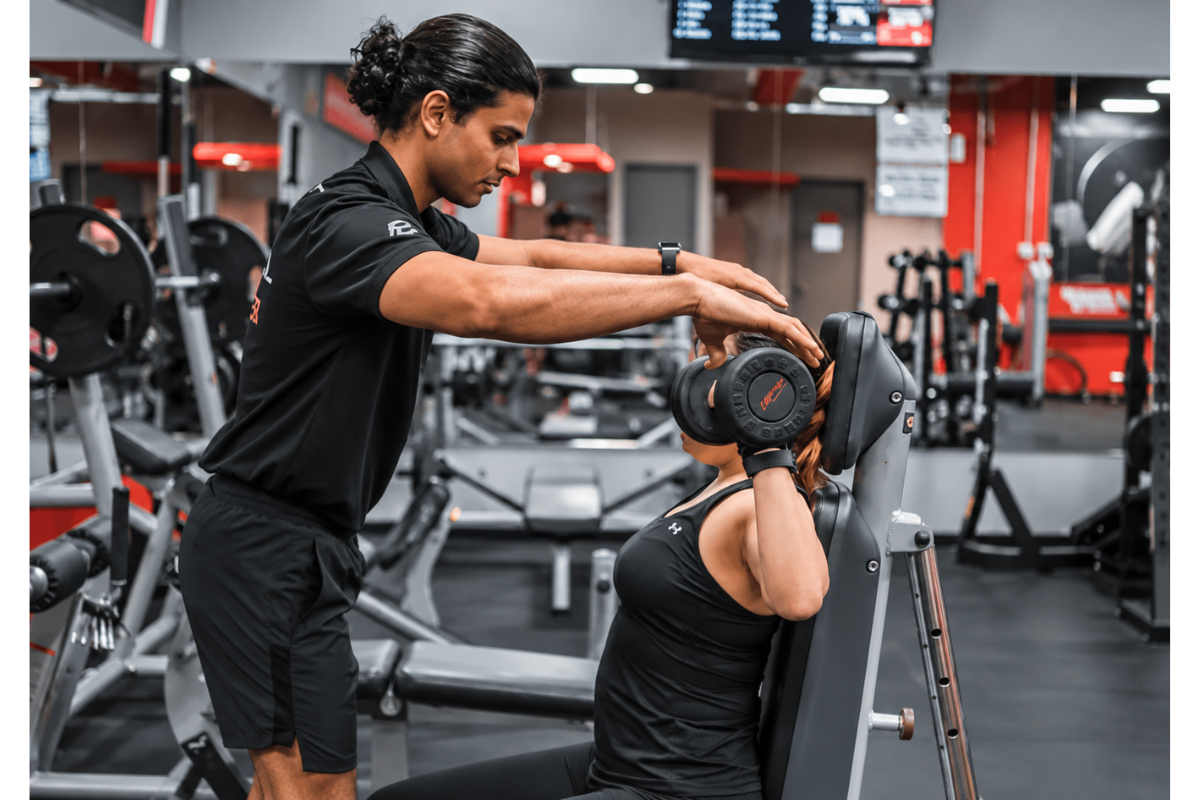
HRV is most useful when you stop treating it like a school grade. There is no universal number that tells every person whether they are ready for a hard workout. Your usual range, measurement conditions, and recent pattern provide more useful context.
Look at your baseline: Compare readings with your own typical values rather than another person's score. Your normal HRV can differ considerably from someone else's.
Notice sustained changes: One unusual morning does not necessarily mean your recovery has suddenly deteriorated. Several readings moving away from your normal pattern deserve more attention.
Consider the circumstances: Sleep, psychological stress, recent training, and other lifestyle factors can influence HRV. The number makes more sense when you know what has been happening around it.
Check how you feel: A low reading accompanied by unusual fatigue, soreness, or poor sleep tells a different story from a low reading when you feel completely normal.
Avoid chasing a higher number: More HRV is not automatically a better training outcome. What matters is understanding your own trend and using it sensibly.
Research on HRV-guided training suggests that adjusting training according to HRV can have some benefits, although effects on performance outcomes are not uniformly significant.
For someone considering a certified personal trainer to guide recovery strategies across Dubai Marina, this is where professional context becomes useful: the reading can be considered alongside your actual programme rather than interpreted in isolation.
Your sleep score can be useful for spotting patterns, but it should not be treated as a precise verdict on how well your body recovered overnight. Different platforms calculate their scores differently, and consumer wearables do not measure sleep in the same way as laboratory polysomnography.
| Wearable reading | What it may suggest | What to consider |
|---|---|---|
| Good sleep score | Your device detected generally favourable sleep indicators | How rested you actually feel |
| Poor sleep score | Sleep duration, timing or other measured factors may have been less favourable | Fatigue, recent workload and the reason for the change |
| Short sleep duration | You had less time available for sleep and recovery | Whether today's planned workload still feels appropriate |
| One poor night | A temporary disruption may have affected the score | Avoid making major training changes from one reading |
| Repeated poor scores | A pattern may be developing | Sleep habits, training demands, and how you feel during the day |
Wearables can provide reasonable estimates of broad sleep measures, but performance varies between devices, and they are not substitutes for detailed clinical sleep assessment.
If you're working with a certified personal trainer to help you optimise training intensity in Dubai Marina, your sleep trend can therefore become useful context when discussing training load, recovery and how demanding a session should be.
Recovery data is most useful when you treat it as a collection of clues. Most wearable platforms combine several inputs to create a recovery or readiness score. That means the number needs context.
A certified personal trainer skilled in analysing biometric trends in Dubai Marina can help interpret wearable information alongside your programme, recent sessions, and recovery habits. This makes the data another input for decision-making rather than a command that dictates every workout.
Wearable data should support better training choices, not make every decision for you. A practical approach is:
1. Check the trend: Compare today's numbers with your usual baseline.
2. Consider the context: Look at recent training, sleep, stress, soreness, and energy.
3. Match your response: If several signs suggest fatigue, reduce intensity or volume rather than abandoning movement altogether.
4. Review what follows: Notice how you respond and use that information when planning future sessions.
A certified personal trainer to align recovery data with workout programming in Dubai Marina can place these readings alongside your training plan and progress, particularly when your numbers and how you feel tell different stories.
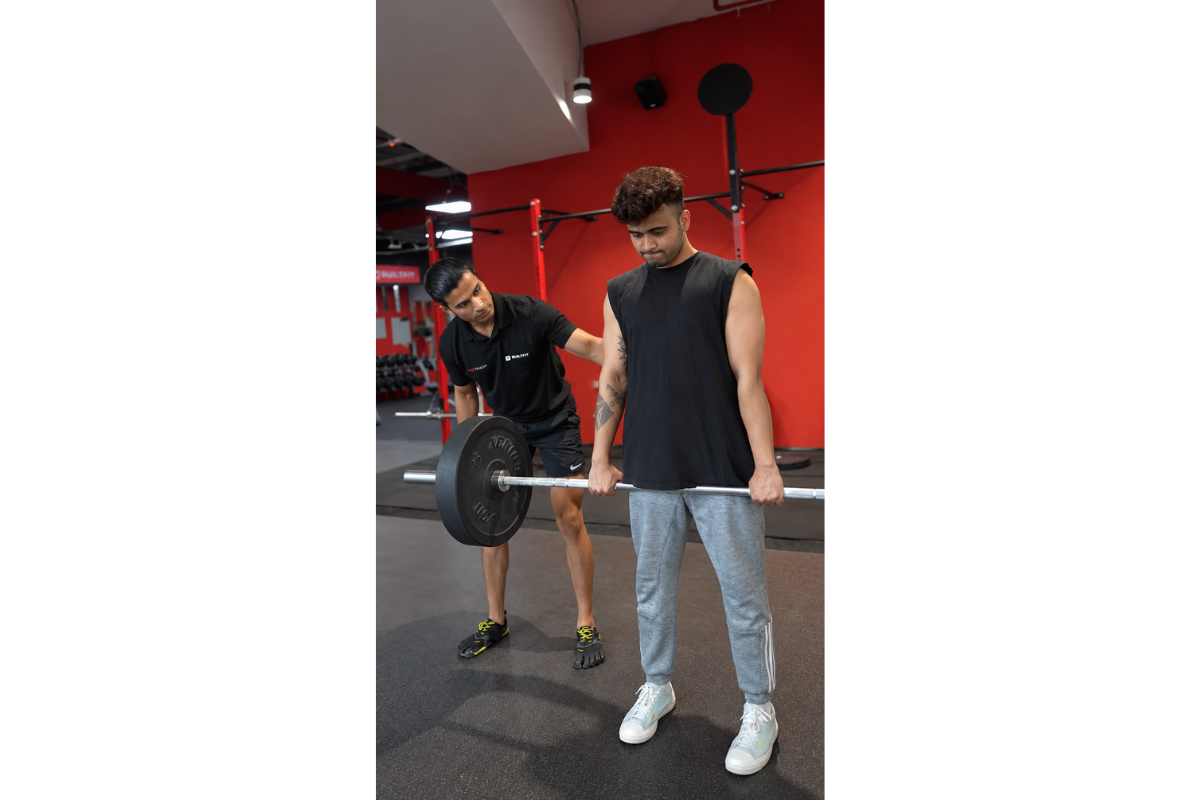
Wearables can offer useful clues, but no single score describes your entire recovery picture. Look for patterns, consider the context, and combine device information with your experience. BuiltFit can help you use wearable data intelligently, without letting the numbers dictate every session. Our certified personal trainer provides data-guided fitness coaching in Dubai Marina and adds the human judgment that completes the picture.
Q1. Can I trust my wearable if its recovery score suddenly drops?
Treat a sudden drop as a signal to investigate, not a definitive verdict. Recovery scores use device-specific algorithms, so check your sleep, recent training, stress, and energy levels before changing your planned workout.
Q2. Should I skip a workout when my HRV is lower than usual?
Not necessarily. One lower reading does not automatically mean you need rest. Compare it with your usual trend and consider fatigue, sleep, and recent training. HRV-guided approaches can inform training, but they should not be used in isolation.
Q3. Why does my wearable sometimes show poor sleep even when I feel rested?
Wearables estimate sleep using sensors and algorithms rather than directly measuring sleep like a laboratory study. Their estimates can differ from how you feel, so a poor score should be considered alongside your actual sleep experience and daytime energy.
Q4. Should I use the same HRV or recovery target as someone else?
No. HRV is highly individual, and recovery scores can vary between devices because platforms use different algorithms. Your own baseline and longer-term trends are more useful than comparing your numbers with another person's readings.
Q5. Can a personal trainer use my wearable data to adjust my workout?
Yes. A trainer can consider wearable trends alongside your training history, sleep, fatigue and performance. This can help inform adjustments to intensity or volume, although wearable data should complement, not replace, professional judgement and your own feedback.


